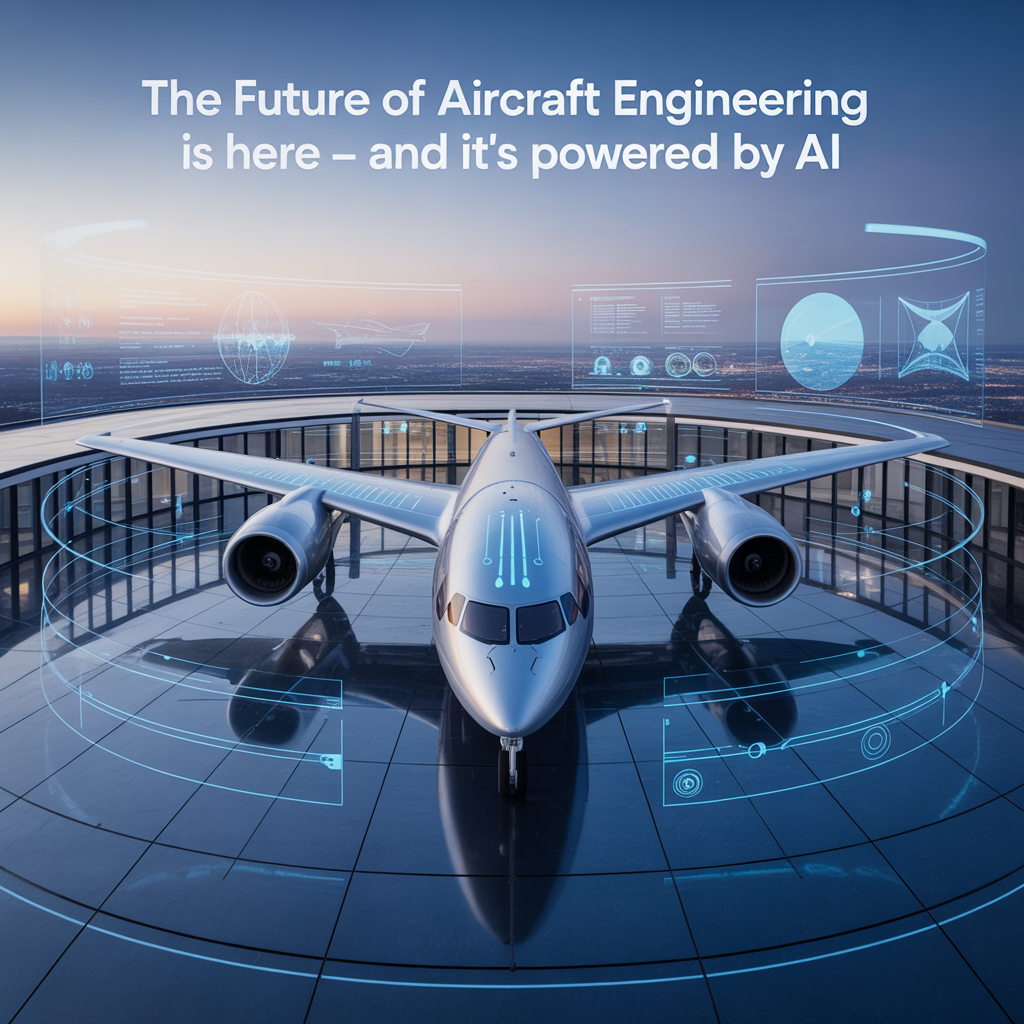
The aviation industry is undergoing a transformation—one where Artificial Intelligence and predictive analytics are taking center stage. Gone are the days when AMEs relied solely on manuals and hand tools. Today, smart aircraft are equipped with sensors that continuously stream health data, allowing AMEs to detect and prevent faults before they happen.
Predictive maintenance is the new gold standard. Instead of fixing parts when they break, AI systems can predict exactly when a component is likely to fail based on its performance data. this reduces downtime for airlines and significantly enhances safety. An AME today needs to be as comfortable with a laptop as they are with a wrench.
Artificial Intelligence is also revolutionizing flight operations. From optimized route planning to automated air traffic control, AI is making the skies safer and more efficient. For aircraft engineers, this means learning to maintain and calibrate complex sensors and data processing units.
At IIA Gurgaon, we are integrating these future-forward concepts into our curriculum. We believe that our students should be ready for the industry of 2030, not just 2024. Engineering students now study basics of digital avionics and data-driven maintenance strategies.
However, AI is not a replacement for human judgment. The final certification for flight-readiness will always require the keen eye and experienced hand of a certified Aircraft Maintenance Engineer. Technology is a tool, and our mission is to ensure our students are the masters of that tool. The future of aviation is bright, and it's powered by the synergy between human expertise and artificial intelligence.